


Keep Your Pool Crystal Clear All Season Long
Congratulations on your fresh pool water! A little routine maintenance goes a long way toward keeping your water clean, safe, and sparkling. At FillPools.com, we deliver clean, high-quality water—but proper maintenance is the key to protecting your investment and maximizing your swimming season. By following a simple maintenance routine, you can help prevent algae, cloudy water, equipment problems, and unnecessary chemical costs. Below is a recommended pool maintenance checklist to help you enjoy clear, refreshing water from the day your pool is filled until it's time to close it for the season.
Please Note: Every pool is different. Always follow your pool manufacturer's recommendations and consult your local pool professional if you have questions about water chemistry or equipment.
General Pool Maintenance Checklist
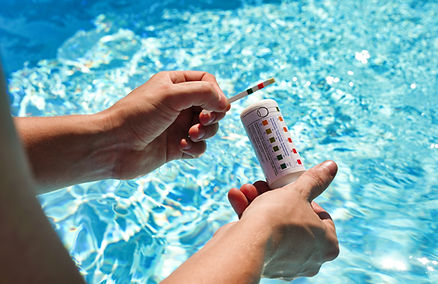
Daily
-
Check the water level.
-
Remove leaves, bugs, and debris with a skimmer.
-
Empty skimmer baskets if needed.
-
Make sure the pump is running properly.
-
Look for leaks or unusual equipment noises.
Weekly
-
Brush pool walls, steps, and ladders.
-
Vacuum the pool or run a robotic cleaner.
-
Empty pump baskets.
-
Backwash the filter (if pressure is 8–10 psi above normal)
-
Inspect pool equipment for leaks
-
Test and balance the water:
-
Free Chlorine: 1–3 ppm
-
pH: 7.2–7.8
-
Total Alkalinity: 80–120 ppm
-
Calcium Hardness: 200–400 ppm
-
Cyanuric Acid (Stabilizer): 30–50 ppm (outdoor chlorine pools)
Monthly
-
Clean the waterline tile
-
Deep clean the filter (cartridge, sand, or DE)
-
Inspect pump seals and valves
-
Check pool lights and electrical components
-
Inspect ladders, rails, and safety equipment
-
Lubricate O-rings as recommended
-
Test for phosphates if algae has been a recurring issue
Seasonal
Spring Opening
-
Remove and clean the pool cover.
-
Reinstall equipment.
-
Fill the pool to the proper level.
-
Start the filtration system.
-
Test and balance the water.
-
Shock the pool if needed.
-
Inspect for winter damage.
Summer
-
Test water more frequently during heavy use.
-
Maintain chlorine levels.
-
Clean filters more often.
-
Check water level after periods of high evaporation.
Fall
-
Remove leaves regularly.
-
Reduce pump runtime as temperatures cool.
-
Continue balancing water chemistry.
-
Prepare for winterization if applicable.
Winter Closing (where applicable)
-
Balance the water.
-
Lower the water level if recommended.
-
Drain and winterize plumbing and equipment.
-
Add winterizing chemicals if used.
-
Install a winter cover.
-
Store removable accessories.
Filter Maintenance - Cartridge Filter
-
Rinse every 2–4 weeks.
-
Deep clean every 3–6 months.
-
Replace every 2–3 years, depending on wear.
Sand Filter
-
Backwash when pressure rises.
-
Replace sand every 5–7 years.
DE Filter
-
Backwash as needed.
-
Add fresh DE after backwashing.
-
Perform a full teardown and cleaning annually.
Chemical Maintenance
-
Maintain proper sanitizer levels.
-
Adjust pH as needed.
-
Maintain total alkalinity.
-
Monitor calcium hardness.
-
Add stabilizer (cyanuric acid) for outdoor chlorine pools if needed.
-
Shock the pool after heavy use, storms, or algae outbreaks.
Equipment Inspection
-
Pump
-
Filter
-
Heater
-
Salt system (if applicable)
-
Chlorinator
-
Valves
-
Plumbing connections
-
Timers and automation systems
Safety Checks
-
Inspect gates and self-closing latches.
-
Ensure drain covers are secure.
-
Check pool alarms if installed.
-
Inspect ladders and handrails.
-
Keep rescue equipment accessible.
Tips for Better Water Quality
-
Run the pump 8–12 hours per day during swimming season (adjust based on pool size, weather, and usage).
-
Keep the skimmer baskets clean.
-
Encourage swimmers to rinse off before entering the pool.
-
Remove debris promptly.
-
Keep water chemistry balanced to help prevent algae and equipment damage.
This checklist can serve as a practical guide for most residential pools, though specific maintenance schedules may vary depending on the pool type, equipment, climate, and manufacturer recommendations.
